
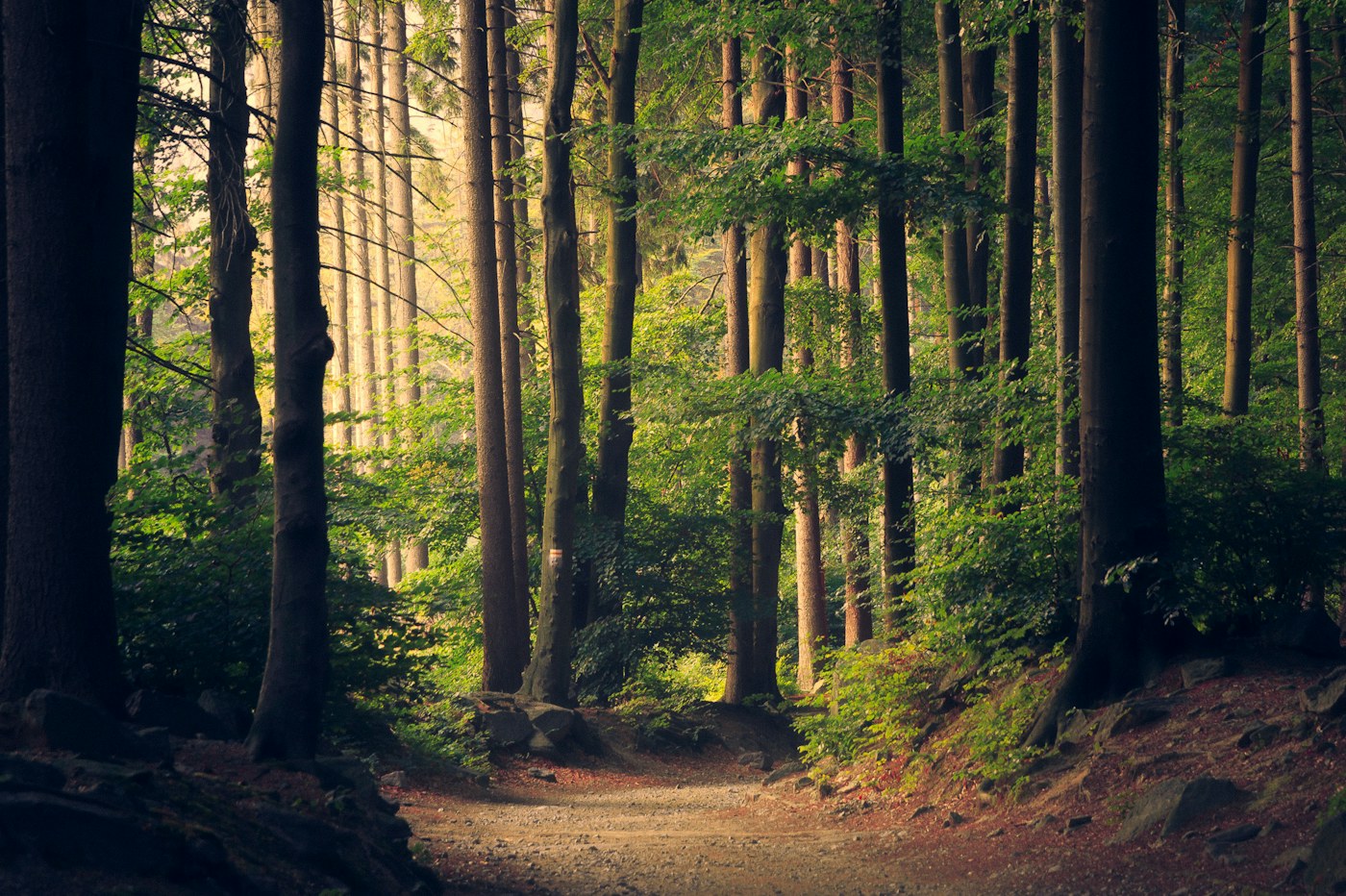
A first weekend walk does not need an ambitious distance or a new wardrobe. A manageable local route with a clear start, an easy way back and suitable conditions gives you room to discover what you enjoy. The useful essentials are the things that support that plan: comfortable footwear, adjustable clothing, water, route information and a way to keep necessary belongings accessible.
This guide concerns easy local outings on maintained routes. Remote ground, steep terrain, winter conditions and routes without straightforward access need more detailed planning and suitable expertise. Choosing an easier first route is a practical way to learn what you need without adding unnecessary complexity.
Choose the route before the kit
Look for a route with a known surface and a realistic duration. Include travel to the start, stops and the return journey when deciding how much time to allow. A circular route can be convenient, while an out-and-back route makes the turnaround point easier to adjust.
Check the relevant local authority, park or route manager for access information and any closures. Conditions can change, so use current information and the weather forecast close to departure. Public transport times, parking arrangements and café opening hours should be checked separately if your plan depends on them.
For a first outing, a place you can leave early is useful. Identify an obvious shorter option before setting out. That removes the pressure to complete a particular distance if the conditions, pace or group mood turn out differently from expected.
Pack for the outing you have chosen
| Essential | Why it belongs | Keep it proportionate |
|---|---|---|
| Route information | Helps identify turns and exits | Save relevant details before leaving |
| Charged phone | Communication and useful information | Do not make the whole plan depend on signal |
| Water | Available without relying on a café | Match the outing and conditions |
| Suitable layer | Allows a change in comfort | Check it fits in the bag |
| Weather protection | Responds to the actual forecast | Read the garment’s stated purpose |
| Simple snack | Useful around the planned timing | Bring something familiar |
| Personal essentials | Medicines, keys and travel needs | Use your own requirements |
This is a starting list, not a complete equipment prescription for every location. Add requirements identified by the route manager, weather and your own circumstances. Keep the bag organised so the item you need first is not beneath everything else.
Start with familiar footwear
Use a pair that already feels comfortable for a comparable easy walk and suits the expected surface. A new pair deserves an appropriate indoor fit check followed by a shorter familiar outing before a longer day. A brand label or outdoor appearance cannot establish comfort for your feet.
Inspect the shoes you already own. Check the fastening, sole condition and any known rubbing points. Wear socks you have used comfortably with them, and avoid combining several unfamiliar items on the same outing. That makes it easier to understand any discomfort that appears.
If you need to buy footwear, compare its intended use with the route rather than automatically selecting the most substantial boot. Our comfortable walking shoes guide explains fit and fastening questions, while the everyday boots guide covers ordinary seasonal wear.
Make layers easy to change
Choose clothes that allow normal walking and arm movement. Try the whole outfit with the bag before leaving. If a jacket pulls across the shoulders or a waistband becomes uncomfortable while sitting, address that at home rather than hoping the route will distract you.
A removable layer is useful only when you can carry it. Check the bag has space alongside water and personal items. Keep weather protection accessible, and read the specific garment’s description rather than assuming any jacket provides rain protection.
Ariat’s official site can be used to browse clothing and footwear options. Inspect individual product details, regional availability and intended use. There is no need to buy from a particular merchant to take an easy local walk; begin with suitable items you already have.
Plan the small practical details
Check where toilets are available if that affects your comfort. Decide how you will get home if you shorten the walk. Tell someone your plan where appropriate, and keep important route details available beyond a single live webpage. A downloaded map or written note may be helpful, provided you know how to use it.
If walking with others, agree on the intended pace and stopping expectations. A leisurely photograph stop can feel very different from a continuous exercise walk. Discuss that before departure, especially when children, mixed fitness levels or different mobility needs are involved.
Keep the return journey in mind. A change of shoes or a bag for muddy items can be useful when travelling by car, but may be unnecessary weight on public transport. Make this decision from the expected ground rather than packing for every possible inconvenience.
Review the outing afterwards
Note which layer you wore, whether the bag was comfortable and what you carried without using. An unused rain layer may still have been sensible given the forecast; an unnecessary hardback book is easier to remove next time. Distinguish useful contingency items from accidental baggage.
Choose the next outing by changing one thing, such as a slightly longer route or a different park. You do not need to increase distance every weekend. Repeating a pleasant local walk is a perfectly useful routine.
Frequently asked questions
Do I need a dedicated walking backpack?
For a short, easy outing, a bag you already own may be sufficient if it carries the necessary contents comfortably and keeps your hands available when needed. Try it loaded before deciding to buy another.
What if the weather becomes unsuitable?
Change or postpone the plan. A café visit, a shorter accessible route or an indoor afternoon can preserve the weekend without forcing the original outing.
How should I choose a first distance?
Base it on a duration and type of walking you already find manageable, allowing for stops and the return. Browse seasonal living for more ways to plan a comfortable weekend around the conditions.