
An organised entryway makes arriving and leaving less complicated. Its job is to catch the things that genuinely belong near the door without becoming storage for everything that has no other home. The best arrangement follows the household’s movements: where shoes come off, where bags land and which objects people need to pick up on the way out.
Observe a few normal arrivals before buying furniture. A polished console is unlikely to help if everyone walks past it to drop bags beside the kitchen. You may need to move the landing place closer to the route, simplify its use or accept that the entrance function happens in more than one location.
Identify what belongs at the door
Make a short list of daily items and separate them from occasional ones. Current shoes, keys and a regularly used bag may need immediate access. Spare coats, seasonal accessories and paperwork can often live elsewhere. Limit the entrance to the quantity the space can comfortably support.
For a shared household, give each person a clear location rather than one large pile. This could be a hook, part of a shelf or an appropriately sized basket. Let the person who uses the location help choose it. Storage that requires several steps is less likely to be maintained when someone arrives carrying shopping.
Measure the route before choosing storage
Check the door swing, the route through the space and access to adjacent rooms. Include the depth of shoes or bags hanging from a proposed hook, not just the hook itself. A narrow cupboard can still create an obstacle when its doors are open. Test the footprint with a temporary outline before ordering furniture.
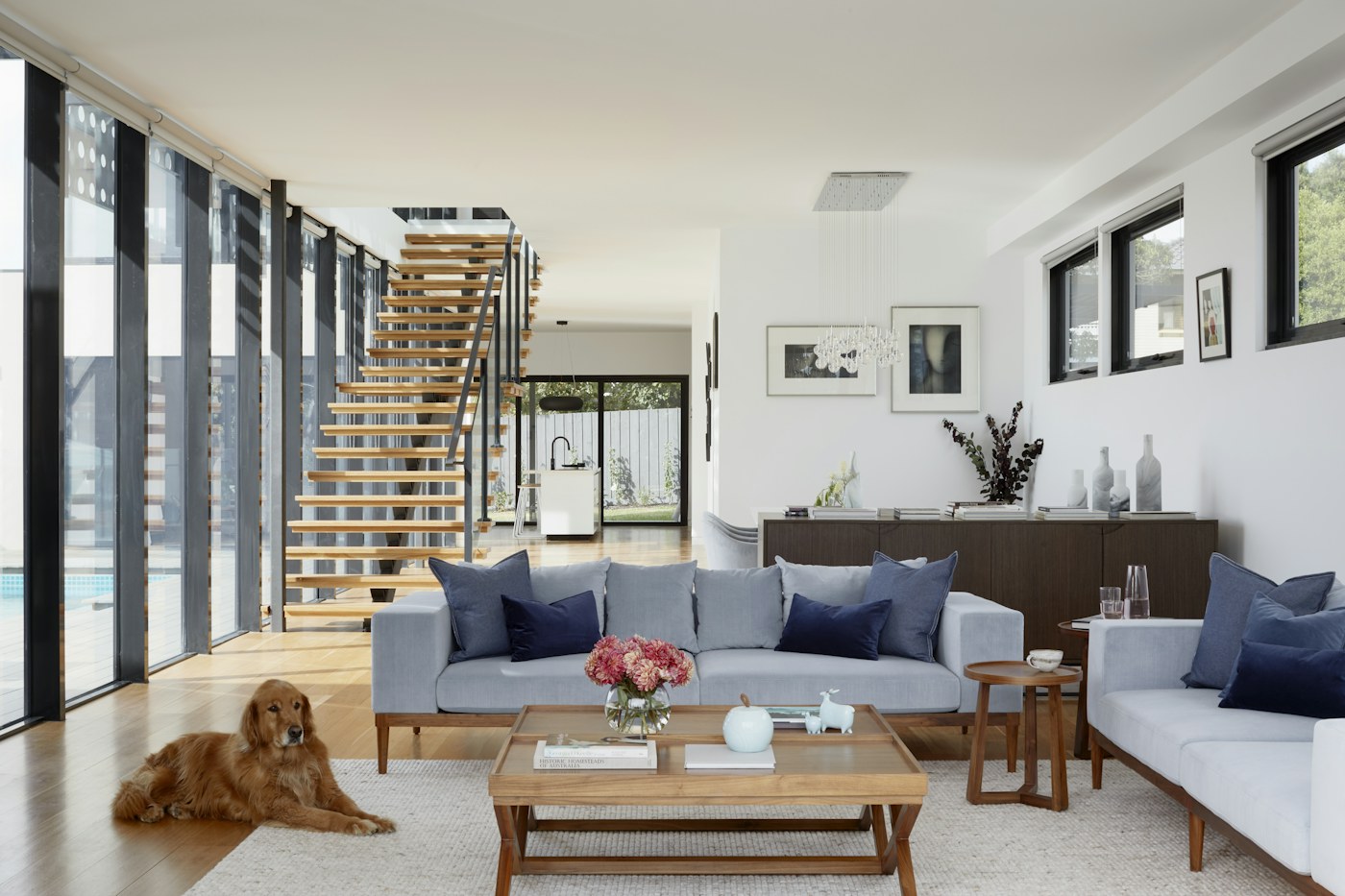
If there is no hallway, a small designated area near the entrance to the living room may be enough. Keep the arrangement visually coherent by using a few repeated materials or colours. A compact system used consistently is more useful than a large entryway unit that crowds the room.
Match storage to the object
| Object | A practical home | Selection detail | Likely limitation |
|---|---|---|---|
| Daily keys | A shallow dish or designated hook | Visible and convenient for the household | An oversized bowl invites unrelated clutter |
| Everyday shoes | A suitably sized rack or shelf | Fits actual footwear and door clearance | Open storage stays visible |
| Work or school bags | Individual hooks or shelf spaces | Appropriate fixings and stated capacity | Hanging bags project into the route |
| Incoming post | One small sorting location | Easy to empty on a regular schedule | Storage does not replace dealing with paperwork |
| Wet-weather accessories | An arrangement suited to drying | Care guidance and floor suitability | A closed box may be unsuitable for damp items |
Do not buy a complete system simply because it contains each category. Choose the two or three functions that matter in your home. Some households need a shoe solution most; others need a predictable place for bags that otherwise travel through every room.
Give post a next action
A post tray works when it is a short stop rather than a permanent archive. Decide when it will be emptied and where papers go next. Recycling, filing and action items need appropriate destinations outside the entryway. Protect sensitive documents rather than leaving them visible to visitors.
If several people receive post, a simple division can prevent confusion. Avoid an elaborate filing scheme at the doorway unless the household will genuinely use it. The goal is to identify what needs attention, then move it into the place where that attention happens.
Choose textiles for the actual floor
A mat can define the arrival area, but its dimensions, care instructions and suitability for the floor matter more than a slogan or pattern. Check that it does not obstruct the door and follow any guidance about backing and floor finishes. Allow for the cleaning routine the household can realistically maintain.
Keep wet items in a suitable place and attend to floor conditions as needed. A basket intended for dry scarves is not automatically a practical destination for damp umbrellas. Select storage according to the material and intended use, rather than expecting every attractive container to do every job.
Make lighting easy to understand
An entrance benefits from controls that can be found when someone comes in carrying bags. Before adding equipment, check whether an existing lamp or switch can be positioned more conveniently. Keep cables away from walking routes and follow the equipment’s instructions.
Shelly is included as a merchant browsing option if home controls are relevant to your plan. Verify regional voltage, plug and socket compatibility, the supported equipment and manufacturer directions for the exact device. Use appropriately qualified installation for wired controls. Avoid assuming a connected option is necessary when a straightforward switch already meets the need.
Build a short reset into the routine
The entrance will still receive things that do not belong there. Set aside a brief regular moment to move those objects, clear post and return excess shoes to their main storage. This is easier when every item has another destination. A larger basket can delay the task without resolving it.
Revisit the system when routines change. Starting school, commuting less often or using different seasonal footwear may alter what needs to stay near the door. The autumn home refresh guide offers a broader seasonal check, while home and living gathers other room-by-room ideas.
Frequently asked questions
Is a bench essential?
No. A bench can be useful for putting on shoes if there is room and it suits the users. In a narrow entrance, it may take space needed for comfortable movement. Check the dimensions and intended use before choosing one.
How do you stop a key dish becoming cluttered?
Give it a specific purpose and keep it small enough to reflect that purpose. Move receipts and loose objects elsewhere during the regular reset. The dish cannot solve an undefined household filing system.
What works in rented accommodation?
Start with freestanding storage and existing fixtures. Check permission before mounting hooks or shelves, and use fixings appropriate to the wall and the manufacturer’s guidance. An agreed location for belongings often helps before any installation is needed.